
Barcelona Cathedral: History, Tickets & Travel Guide
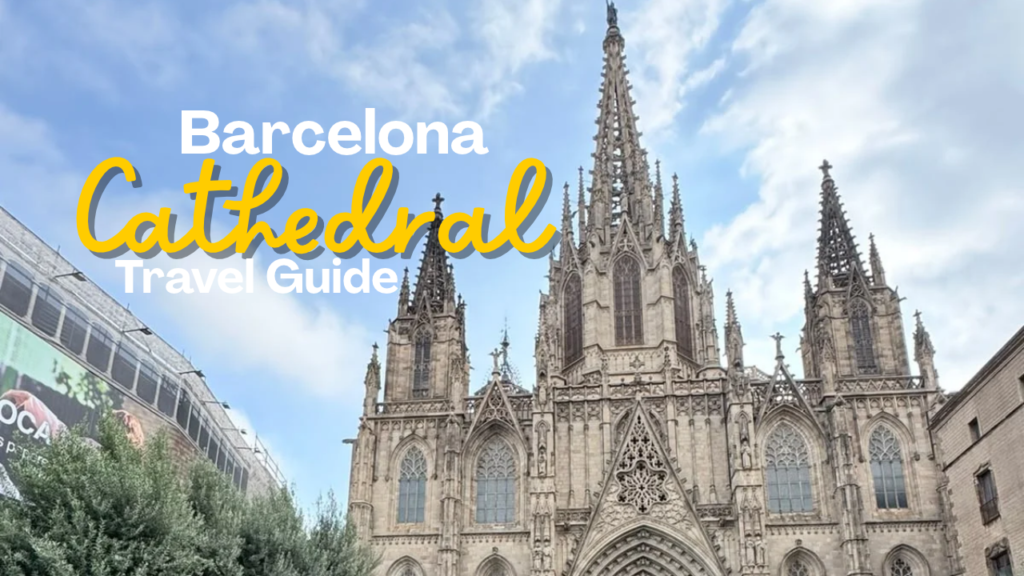
Barcelona Cathedral: Complete History, Architecture, Tickets, Rooftop Views and Travel Guide
Barcelona is famous for its extraordinary architecture, Mediterranean atmosphere and rich cultural heritage. While many visitors come to admire the masterpieces of Antoni Gaudí, the city also preserves an impressive medieval history. One of the most important historic landmarks is Barcelona Cathedral, officially known as the Cathedral of the Holy Cross and Saint Eulalia.
Located in the heart of the Gothic Quarter, Barcelona Cathedral is a magnificent example of Gothic architecture, religious tradition and Catalan history. Its impressive façade, peaceful cloister, historic choir, beautiful chapels and rooftop views make it one of the most interesting places to explore in Barcelona.
Whether you are planning your first trip to Barcelona, researching the city’s history or looking for the best things to do in the Gothic Quarter, this comprehensive Barcelona Cathedral travel guide will help you understand its background and plan your visit.
In this guide, you will discover the history of Barcelona Cathedral, its architectural features, Saint Eulalia’s story, the famous cloister geese, rooftop access, ticket prices, opening hours, transport options, photography tips and nearby attractions.
1. What Is Barcelona Cathedral?
Barcelona Cathedral is one of the most important religious and historical buildings in Barcelona, Spain. Its official name is the Cathedral of the Holy Cross and Saint Eulalia, known in Catalan as Catedral de la Santa Creu i Santa Eulàlia.
The cathedral is the seat of the Archbishop of Barcelona and remains an active place of Catholic worship. At the same time, it is a major cultural attraction that welcomes visitors interested in architecture, history, religion and medieval European cities.
The building stands in Pla de la Seu, a historic square surrounded by narrow streets, traditional buildings and landmarks in Barcelona’s Gothic Quarter.
Although the cathedral is often associated with medieval Barcelona, the building visible today reflects several periods of construction and restoration. Its main structure developed primarily between the late 13th and 15th centuries, while its elaborate main façade was completed much later, in the late 19th and early 20th centuries.
This mixture of medieval foundations and later architectural work gives Barcelona Cathedral its distinctive appearance.
Quick Facts About Barcelona Cathedral
- Official name: Cathedral of the Holy Cross and Saint Eulalia
- Catalan name: Catedral de la Santa Creu i Santa Eulàlia
- Common name: Barcelona Cathedral
- Local nickname: La Seu
- Location: Pla de la Seu, Barcelona, Spain
- Neighbourhood: Barri Gòtic (Gothic Quarter)
- Architectural style: Primarily Catalan Gothic, with a later Neo-Gothic façade
- Main construction period: Began in 1298; the medieval structure developed over the following centuries
- Main patron saint: Saint Eulalia, one of Barcelona’s patron saints
- Main attractions: Gothic nave, chapels, choir, crypt, cloister, rooftop and historic façade
- Best for: History lovers, architecture enthusiasts, photographers and cultural travellers
Barcelona Cathedral is worth visiting even if you have already explored other churches in the city. Its architectural details, historic setting and peaceful cloister offer a different experience from Barcelona’s more modern landmarks.
2. Where Is Barcelona Cathedral Located?
Barcelona Cathedral is located in the Ciutat Vella district, in the historic Gothic Quarter of Barcelona.
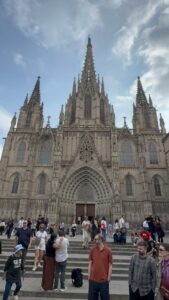
Its main entrance faces Pla de la Seu, a square that provides an excellent view of the cathedral’s elaborate façade. The surrounding neighbourhood is one of the oldest parts of the city and contains medieval streets, Roman remains, historic squares and important government buildings.
The cathedral is also conveniently located near several popular attractions, including Plaça Sant Jaume, the Bishop’s Bridge, Plaça del Rei and La Rambla.
Address of Barcelona Cathedral
Catedral de Barcelona
Pla de la Seu, s/n
08002 Barcelona, Spain
Before travelling, check the cathedral’s official visitor information to confirm the appropriate entrance for your ticket and visiting time.
Why Is Its Location Important?
The cathedral stands close to the historic centre of ancient Barcino, the Roman settlement that developed into modern Barcelona.
Over many centuries, this part of the city became an important centre of religious, political, commercial and cultural life. The cathedral’s location reflects that history.
Today, visitors can walk through streets that connect Roman remains, medieval churches, historic palaces and lively modern businesses. This makes Barcelona Cathedral an excellent starting point for exploring the Gothic Quarter on foot.
3. The History of Barcelona Cathedral
Understanding the history of Barcelona Cathedral makes a visit much more meaningful. The building is not simply a beautiful church; it is part of a much longer story involving Roman Barcelona, early Christianity, medieval Catalonia and modern restoration.
3.1 Barcelona Before the Cathedral
Long before the current cathedral existed, the area was an important part of the ancient Roman settlement of Barcino.
The Romans established Barcino during the reign of Emperor Augustus, around the end of the first century BC. The settlement developed within defensive walls and included streets, public buildings, religious structures and residential areas.
As the city evolved, Christianity became increasingly important. An early Christian basilica was established in the area, followed by other religious buildings over subsequent centuries.
Archaeological discoveries and surviving architectural remains provide evidence of the city’s long religious history.
The present cathedral therefore occupies a site associated with successive periods of Barcelona’s development rather than an entirely new location.
3.2 The Early Christian Basilica
An early Christian basilica existed on the site before the construction of the present Gothic cathedral.
Historical accounts associate this earlier church with the Christian community of Barcelona during late antiquity. Much of the original building disappeared as the city experienced political and religious changes.
According to Barcelona’s official tourism information, an earlier basilica was destroyed during the military campaign of al-Mansur in the 10th century. The baptistery is among the important surviving elements associated with the early Christian complex.
Although visitors cannot see the entire original basilica standing as it once did, its historical legacy remains an important part of the cathedral’s story.
3.3 The Romanesque Cathedral
A Romanesque cathedral was subsequently constructed before the development of the current Gothic building.
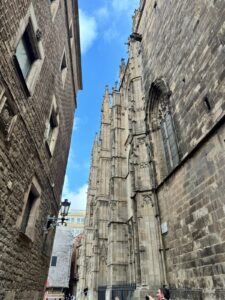
Romanesque architecture generally features rounded arches, solid walls, relatively small windows and a strong, substantial appearance. These characteristics differed from the pointed arches, more open interiors and elaborate vertical forms associated with Gothic architecture.
Some elements of the earlier Romanesque cathedral survive within the present complex.
The Chapel of Santa Llúcia is a particularly important example of Romanesque architecture associated with the cathedral. The older doorway of Sant Iu is another historic feature that helps visitors understand the site’s architectural evolution.
3.4 Construction of the Gothic Cathedral
The construction of the present Gothic cathedral began in 1298, during the medieval period when Barcelona was an important city within the Crown of Aragon.
The project was ambitious. Building a large cathedral required skilled stonemasons, architects, sculptors, carpenters, artists and financial support from religious institutions, local communities and guilds.
Construction continued over many generations. Different craftsmen and architectural influences contributed to the building, which explains why not every part of the complex has exactly the same appearance.
The main Gothic structure developed primarily during the 14th and 15th centuries. The cathedral’s medieval character is particularly visible in its interior, side chapels, choir and cloister.
The official Barcelona tourism website describes the construction as a project that developed over several centuries.
3.5 The Completion of the Medieval Cathedral
By the 15th century, much of the principal Gothic structure had taken shape.
The cathedral’s interior, chapels, choir and surrounding spaces developed into an important religious complex. The building became closely associated with Barcelona’s religious identity and civic history.
However, the exterior did not originally have the complete appearance seen today. The elaborate main façade and prominent decorative elements were added much later.
This is one of the most surprising facts about Barcelona Cathedral: the impressive front that attracts so many photographers is largely a later architectural creation rather than a fully preserved medieval façade.
3.6 The Neo-Gothic Façade
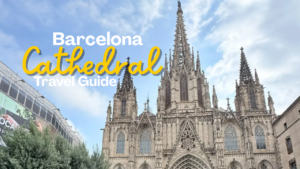
The main façade of Barcelona Cathedral is one of its most recognisable features.
Although the cathedral’s Gothic structure dates back to the medieval period, the façade visible from Pla de la Seu was developed during the late 19th century and completed in the early 20th century.
Architects and craftsmen followed an earlier Gothic-inspired design, creating a richly decorated exterior with pointed arches, intricate stonework, towers and ornamental details.
The result reflects the Neo-Gothic movement, which revived medieval architectural styles during the 19th century.
When looking at the cathedral from the square, notice the difference between the elaborate main façade and the more restrained architectural features found elsewhere on the building.
This contrast reveals how historic buildings can change through restoration and later architectural projects.
3.7 Barcelona Cathedral in the Modern Era
Barcelona Cathedral continues to function as a place of worship, religious celebration and cultural heritage.
It has also become an important destination for international tourism. Visitors arrive throughout the year to admire the architecture, explore the Gothic Quarter and learn about the city’s past.
The cathedral’s ongoing preservation is important because historic stonework, stained glass, sculptures and other architectural features require careful maintenance.
Tourist admission also supports access to designated cultural areas, while religious services continue according to the cathedral’s schedule.
The building therefore connects Barcelona’s medieval past with its present-day cultural life.
4. Barcelona Cathedral Architecture: What Makes It Special?
Barcelona Cathedral is one of the best places to appreciate Catalan Gothic architecture.
Gothic architecture developed across Europe during the Middle Ages. It is associated with pointed arches, ribbed vaults, elaborate stonework, tall windows and carefully designed structural supports.
Catalan Gothic architecture shares some of these characteristics but often places particular emphasis on spacious interiors, broad proportions and a relatively restrained decorative approach.
Barcelona Cathedral combines these Gothic characteristics with later additions that create its distinctive appearance.
4.1 The Main Façade
The main façade is the first feature many visitors notice.
Its pointed arches, carved stone details, decorative pinnacles and towers create a dramatic exterior. The façade rises above Pla de la Seu and provides a beautiful backdrop for photographs.
Spend a few minutes looking carefully at the stonework instead of taking only one photograph.
Notice the different levels of decoration, the symmetrical arrangement of architectural elements and the pointed forms that direct the eye upward.
Because the façade was developed much later than the main Gothic structure, it also offers an opportunity to discuss the revival of medieval architecture in the 19th century.
4.2 The Main Entrance
The main entrance leads visitors into the cathedral’s historic interior.
The transition from the busy square to the quieter interior can be striking. Outside, visitors encounter street performers, conversations and the movement of tourists. Inside, the atmosphere is more subdued and reflective.
Look at the surrounding stonework, the decorative details above the entrance and the architectural framing around the doorway.
Remember that the cathedral is an active religious building, so visitors should enter respectfully and follow any instructions from staff.
4.3 The Nave and Interior
The nave is one of the most impressive areas of the cathedral.
Barcelona Cathedral has three naves arranged around a central space, with side aisles and chapels that contribute to the building’s distinctive proportions.
Tall columns support the vaulted ceiling, while the arrangement of the interior allows visitors to appreciate the scale of the building.
The space feels monumental without relying entirely on excessive decoration. This is one of the defining qualities of Catalan Gothic architecture.
As you walk through the nave, look upward to appreciate the vaults and structural supports. Also observe how natural light enters through the windows and changes the atmosphere throughout the day.
4.4 The Side Chapels
The side chapels are an important part of the cathedral’s interior.
Many are dedicated to saints and contain religious artwork, altarpieces, sculptures and decorative details associated with different periods.
These chapels also reflect the historical role of religious institutions, charitable groups and local communities in supporting the cathedral.
Rather than walking directly from the entrance to the main altar, take time to examine the side spaces. They provide a closer look at the cathedral’s artistic and devotional traditions.
4.5 The Bell Towers
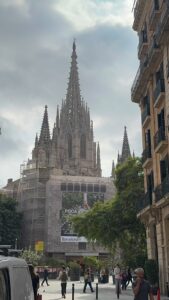
The cathedral’s towers contribute to its distinctive skyline.
The architectural arrangement includes octagonal tower structures associated with the cathedral’s medieval development. Their forms and proportions complement the larger Gothic complex.
From suitable exterior viewpoints, the towers can be seen rising above the surrounding buildings of the Gothic Quarter.
The cathedral’s rooftop visit also offers an opportunity to appreciate architectural details from a different perspective, subject to the areas open under the current ticket and access arrangements.
Sagrada Familia Barcelona: History, Tickets, Towers & Travel Guide
4.6 The Stained-Glass Windows
The stained-glass windows introduce colour and filtered natural light into the interior.
Some windows depict religious figures, saints or symbolic designs. Their colours and patterns contrast with the stone structure and contribute to the cathedral’s atmosphere.
The appearance of the glass changes according to daylight conditions. On a bright day, sunlight may create especially vivid colours, although the effect varies depending on the window and the weather.
Look at the windows from different positions rather than assuming that the best view will always be directly beneath them.
4.7 Gargoyles and Stone Sculptures
The cathedral’s exterior includes sculptural details that reward close observation.
Gargoyles, carved figures and ornamental stonework are characteristic features of many historic Gothic buildings.
Some gargoyles were designed to help direct rainwater away from walls, while others also contribute to the building’s decorative character.
From ground level, certain details can be difficult to see clearly. A zoom lens or a photograph taken from a suitable distance can help you appreciate them.
Always follow barriers and access restrictions when photographing architectural details.
5. The Crypt of Saint Eulalia
One of the most historically significant parts of Barcelona Cathedral is the crypt associated with Saint Eulalia.
Saint Eulalia is one of Barcelona’s patron saints and an important figure in the city’s Christian tradition.
The crypt is located beneath the high altar and contains the saint’s ornate alabaster sarcophagus.
Who Was Saint Eulalia?
According to Christian tradition, Eulalia was a young Christian girl who suffered martyrdom during the Roman persecution of Christians.
Her story is closely connected with Barcelona’s religious identity. Over time, devotion to Saint Eulalia became an important part of the city’s cultural and spiritual heritage.
Many details of her life are preserved through religious tradition and historical interpretation, so accounts of specific events should be understood in that context.
Why Is Saint Eulalia Important to Barcelona?
Saint Eulalia represents the city’s long Christian history and remains closely associated with the cathedral.
The dedication of the cathedral to the Holy Cross and Saint Eulalia connects the building with both Christian symbolism and local religious tradition.
Her presence is reflected in the cathedral’s name, artistic features and devotional spaces.
What Can You See in the Crypt?
The main feature is the elaborate sarcophagus associated with Saint Eulalia.
Its sculptural details demonstrate the artistic importance of the saint’s tomb and the role of religious art in medieval churches.
When visiting, check which areas are open under your ticket and respect any restrictions related to worship or conservation.
6. The Famous Cloister and the 13 White Geese
The cloister is one of the most charming parts of Barcelona Cathedral.
Located beside the main church, it offers a quieter environment with covered galleries, Gothic arches, a garden and a fountain.
After exploring the large interior, the cloister provides a different experience. Its enclosed layout creates a peaceful atmosphere away from the movement of the surrounding streets.
6.1 What Is a Cloister?
A cloister is a covered walkway, often arranged around an enclosed garden or courtyard, traditionally associated with religious communities.
Cloisters served practical and spiritual purposes. They provided spaces for movement, reflection and access to other parts of a religious complex.
The cloister at Barcelona Cathedral developed during the 14th and 15th centuries and contains Gothic architectural details, including pointed arches and carved stonework.
6.2 Why Are There Geese in Barcelona Cathedral?
One of the cathedral’s most memorable features is the group of white geese traditionally kept in the cloister.
The number is traditionally thirteen, associated with the age of Saint Eulalia at the time of her martyrdom according to religious tradition.
This connection gives the geese a symbolic meaning beyond their role as residents of the courtyard.
The tradition has become one of the best-known details of Barcelona Cathedral, and many visitors specifically look for the geese during their visit.
6.3 The Cloister Garden
The cloister garden provides a welcome contrast to the stone architecture surrounding it.
Plants, trees, the fountain and the covered galleries create a setting that feels separated from the busy Gothic Quarter outside.
Take your time here. The cloister is an excellent place to appreciate the cathedral’s smaller architectural details, including carved capitals and the rhythm of the arches.
The atmosphere may vary depending on the number of visitors and the time of day.
6.4 The Fountain and Water Features
The fountain is an important visual element in the cloister.
Water features in religious courtyards traditionally served practical purposes while also contributing to the sense of calm associated with these spaces.
The fountain and the surrounding garden help create one of the cathedral’s most distinctive environments.
Photography is often especially attractive here because the arches frame the garden and provide interesting patterns of light and shadow.
7. The Historic Choir and Golden Fleece Connection
The cathedral’s choir is another major highlight for visitors interested in medieval art.
Construction of the choir began in 1390. Its carved wooden stalls and decorative elements represent important examples of Catalan Gothic craftsmanship.
The choir was not simply an architectural feature. It was a functional space used during religious services.
The Golden Fleece Connection
Barcelona Cathedral has a special historical connection with the Order of the Golden Fleece.
In 1519, a chapter meeting of the order was held in Barcelona in connection with Emperor Charles V. The choir’s commemorative heraldic decorations reflect this significant occasion.
The carved and painted details are particularly interesting because they connect the cathedral’s religious function with the political and ceremonial history of medieval and early modern Europe.
When visiting the choir, look for the carved stalls, decorative canopies and heraldic elements.
These features demonstrate how churches could serve as important locations for both religious ceremonies and major public events.
8. The Cathedral Rooftop: Views Over Barcelona
The rooftop is one of the main reasons many travellers choose a paid cultural visit to Barcelona Cathedral.
From above, visitors can see parts of the Gothic Quarter and admire the relationship between the cathedral’s architecture and the surrounding historic neighbourhood.
Depending on the available access and weather conditions, the rooftop visit provides a different perspective on the building’s towers, stonework and nearby rooftops.
MNAC Barcelona: History, Art & Visitor Guide
What Can You See From the Rooftop?
The views focus on Barcelona’s historic centre, including the dense arrangement of buildings in the Gothic Quarter.
You can observe how the narrow streets and traditional buildings fit together around the cathedral.
The rooftop also allows visitors to appreciate some architectural details that are difficult to see from the square.
Visibility varies with the weather, and the exact views depend on the areas open during your visit.
Is the Rooftop Worth Visiting?
If you enjoy architecture, photography and city views, rooftop access can be a worthwhile addition to your visit.
It is especially useful for visitors who want more than a quick look at the cathedral’s interior.
However, it may not be suitable for everyone. Some areas involve stairs, and access arrangements can change. Check the official visitor information before buying tickets if you have mobility concerns.
Best Time for Rooftop Photography
Late afternoon can offer attractive light across the historic buildings, depending on the season and weather.
Morning visits may be preferable if you want to avoid the busiest periods.
If rooftop access is an important part of your trip, check availability and weather-related restrictions before travelling.
9. Barcelona Cathedral Tickets and Entrance Fees
Barcelona Cathedral offers different visitor arrangements depending on the purpose of the visit and the areas included.
The cathedral’s official website lists a cultural and tourist visit with access to designated areas. Its published general individual ticket price is €16, with certain discounted categories available subject to documentary verification.
Prices and ticket inclusions can change, so always check the official website before planning your budget.
What May Be Included in a Tourist Ticket?
Depending on the ticket currently offered, a cultural visit may include access to:
- The cathedral floor and cloister
- The rooftop
- The choir
- The Chapter Hall
- Additional museum or interpretive experiences listed with the ticket
Not every ticket or visiting arrangement necessarily includes the same features. Confirm the inclusions before purchasing.
Where Can You Buy Barcelona Cathedral Tickets?
The safest place to check official ticket availability and current prices is the cathedral’s own ticket website.
Official website: https://catedralbcn.org/en/
Official ticket website: https://tickets.catedralbcn.org/en-PR/
Booking online is a good idea if you want to plan your day in advance. If you intend to visit during a holiday or particularly busy period, confirm the available times before arriving.
Are There Discounts?
The cathedral publishes discounted admission categories for eligible visitors, including certain students and family categories. Documentation may be required.
Its official information also lists free admission for visitors with a qualifying disability and certain other eligible categories.
Because eligibility requirements and conditions may change, review the current official ticket information rather than relying on an old travel article.
Is Barcelona Cathedral Free to Enter?
Access depends on the time of day, the purpose of the visit and the areas you want to explore.
Religious worship and cultural tourism are treated differently, and tourist visits to the main cathedral complex may require a ticket.
Do not assume that free access to a religious service means you can also visit the rooftop, choir or other ticketed areas.
Check the official schedule before your visit if you are trying to see the cathedral on a limited budget.
10. Barcelona Cathedral Opening Hours
Barcelona Cathedral has separate arrangements for worship and cultural tourism. Tourist visiting hours can vary according to the day of the week, religious celebrations and special events.
According to the cathedral’s published tourist visiting schedule:
| Day | Cultural and tourist visiting hours |
|---|---|
| Monday–Friday | 9:30 AM–6:30 PM |
| Saturday and religious holiday vigils | 9:30 AM–5:15 PM |
| Sunday and religious holidays | 2:00 PM–5:00 PM |
The official schedule states that visitor access closes before the end of the published visiting period. These hours are subject to change, so confirm them on the day you plan to visit.
Official opening hours: https://catedralbcn.org/en/tourist-visit/visiting-hours/
What Time Should You Visit?
Morning is a good choice for travellers who want to explore the cathedral and then spend the rest of the day walking through the Gothic Quarter.
A later visit may suit people who prefer to combine the cathedral with lunch or nearby attractions.
If your priority is attending a religious service, consult the cathedral’s worship schedule rather than the tourist timetable.
11. How to Get to Barcelona Cathedral
Barcelona Cathedral is centrally located and easy to reach using public transport or on foot.
By Metro
The nearest convenient metro stations include Jaume I on Line L4 and Liceu on Line L3.
From either station, you can walk through the historic centre towards the cathedral.
Jaume I is particularly convenient for exploring the Gothic Quarter and nearby medieval streets.
By Bus
Several city bus routes serve the central Barcelona area, although the best route depends on your starting point and the current transport network.
Use the official Barcelona public transport journey planner to identify the most convenient stop.
By Train
If you arrive in central Barcelona by train, you may need to connect with the metro or bus network.
Plaça de Catalunya is a useful central transport hub from which you can walk towards the Gothic Quarter.
On Foot
Walking is one of the best ways to experience this part of Barcelona.
The cathedral is close to Plaça Sant Jaume, Plaça del Rei, the Bishop’s Bridge and other historic landmarks.
Many of the streets in the immediate area are narrow pedestrian streets, so walking is usually more convenient than trying to reach the cathedral by car.
By Taxi
A taxi can take you towards the cathedral area, but access immediately beside the building may be restricted because of pedestrian streets and local traffic rules.
Ask to be dropped at an accessible nearby point and complete the final part of the journey on foot.
12. Best Time to Visit Barcelona Cathedral
The best time to visit depends on your priorities.
Spring
Spring is a pleasant season for exploring Barcelona’s historic centre. Comfortable walking weather can make it easier to combine the cathedral with a longer Gothic Quarter itinerary.
Summer
Summer is popular with international visitors and can be busy in the historic centre.
Arrive early in the tourist visiting period when possible, bring water for your walk and allow extra time if the surrounding streets are crowded.
Autumn
Autumn can be a good time for architecture and photography, especially if you prefer exploring the city without the hottest summer conditions.
Check for local events and religious celebrations that might affect access.
Winter
Winter offers another opportunity to appreciate the cathedral’s architecture and the atmosphere of the Gothic Quarter.
Opening arrangements may change around Christmas and other religious holidays, so check the official schedule before travelling.
Best Time of Day
For most travellers, an early cultural visit followed by a walk through the Gothic Quarter is a practical option.
If you want rooftop photographs, consider the available light and weather. If you want a quieter experience, avoid the busiest periods where possible.
13. How Long Do You Need to Visit Barcelona Cathedral?
The amount of time you need depends on how deeply you want to explore.
- 30 minutes: A short visit focusing on the main interior, if access conditions allow.
- 1 hour: A reasonable starting point for the interior, cloister and main architectural features.
- 1.5–2 hours: More suitable if you want to examine the choir, crypt, rooftop and other areas included in your ticket.
- Half a day: Ideal if you plan to combine the cathedral with nearby historic attractions, cafés and photography stops.
These are suggested planning estimates, not official visit durations. Allow extra time during busy periods or if you intend to join a guided tour.
14. Top Things to See Inside Barcelona Cathedral
To make your visit more rewarding, use this checklist.
14.1 The Main Nave
Look at the high vaulted ceiling, supporting columns and broad interior space. Notice how the architectural design directs attention towards the main altar.
14.2 The Side Chapels
Explore the chapels and their religious artwork. Look for differences in decoration, sculpture and historical style.
14.3 The Crypt of Saint Eulalia
Discover the religious tradition associated with one of Barcelona’s patron saints and the ornate sarcophagus beneath the high altar.
14.4 The Cloister
Walk through the covered galleries and enjoy the garden, fountain and peaceful atmosphere.
14.5 The White Geese
Look for the geese traditionally associated with Saint Eulalia’s story. Their presence is one of the cathedral’s most distinctive features.
14.6 The Choir Stalls
Examine the carved woodwork and the historical details associated with the Order of the Golden Fleece.
14.7 The Rooftop
If your ticket includes access, enjoy views across the surrounding historic district and look closely at the cathedral’s architectural features.
14.8 The Exterior Stonework
Before leaving, return to Pla de la Seu and look carefully at the façade, sculptures, towers and decorative details.
15. Photography Guide: How to Photograph Barcelona Cathedral
Barcelona Cathedral is an excellent destination for architectural photography.
Its façade, cloister, narrow surrounding streets and rooftop views offer a variety of compositions.
Best Places for Photographs
Pla de la Seu: The main square offers a direct view of the cathedral façade.
Carrer del Bisbe: This historic street is famous for the picturesque Bishop’s Bridge, which creates a distinctive frame for photographs.
The Cloister: The Gothic arches, garden and fountain provide interesting patterns and textures.
The Cathedral Interior: The nave and stained glass can create dramatic architectural compositions where photography is permitted.
The Rooftop: If included in your ticket, the rooftop offers elevated views of the historic district.
Photography Tips
- Use a wide-angle lens or your phone’s wide-angle setting to capture the scale of the façade.
- Photograph architectural details as well as the complete building.
- Visit early if you want fewer people in your exterior photographs.
- Look for symmetrical compositions around the entrance and arches.
- Use natural light to highlight the stonework and stained glass.
- Follow all photography restrictions inside the cathedral.
- Avoid blocking entrances or interrupting worship while taking pictures.
If you publish your own photographs on your travel blog, use accurate alt text that describes what each image actually shows.
For example:
Barcelona Cathedral Gothic facade in Pla de la SeuBarcelona Cathedral cloister garden and Gothic archesInterior nave of Barcelona Cathedral in Barcelona SpainHistoric rooftops viewed from Barcelona Cathedral
16. Dress Code and Visitor Etiquette
Barcelona Cathedral is both a tourist attraction and an active religious building.
Visitors should dress respectfully and follow the cathedral’s current entry requirements.
What Should You Wear?
Choose comfortable clothing suitable for a religious site. It is sensible to bring a light layer if you are visiting during warm weather and are wearing clothing that may not meet the cathedral’s current requirements.
Check the official visitor rules before travelling, particularly if you intend to visit during a religious service.
Behaviour Inside the Cathedral
- Keep your voice low.
- Respect people who are praying.
- Follow instructions from cathedral staff.
- Do not touch historic sculptures or other protected features.
- Follow photography rules and any restrictions on flash.
- Keep children close and supervise them around steps and restricted areas.
- Do not feed or disturb the geese in the cloister.
A respectful visit helps preserve the atmosphere of the cathedral for worshippers and other travellers.
17. Accessibility at Barcelona Cathedral
Accessibility is an important consideration when planning your visit.
The cathedral identifies the Gate of Santa Eulàlia on Carrer del Bisbe as an entrance for visitors with reduced mobility.
However, not every part of a historic building necessarily offers the same level of access. Rooftop areas and other sections may involve stairs or have specific restrictions.
If you use a wheelchair, have limited mobility or are travelling with someone who needs step-free access, contact the cathedral before purchasing tickets.
Official visitor information: https://catedralbcn.org/en/tourist-visit/visiting-hours/
18. Best Places to Visit Near Barcelona Cathedral
One of the biggest advantages of visiting Barcelona Cathedral is its proximity to other historic attractions.
You can explore several landmarks on foot without spending much time travelling between them.
18.1 Bishop’s Bridge (Pont del Bisbe)
The Bishop’s Bridge is one of the most photographed architectural features in the Gothic Quarter.
It crosses Carrer del Bisbe and connects historic buildings with an ornate Neo-Gothic appearance.
The bridge provides an excellent photography stop and is only a short walk from the cathedral.
18.2 Plaça Sant Jaume
Plaça Sant Jaume is an important civic square in Barcelona.
The square is associated with the city’s municipal government and the Catalan government. Its location makes it an interesting place to learn about Barcelona’s political and administrative history.
The square is easy to include in a walking tour of the Gothic Quarter.
18.3 Plaça del Rei
Plaça del Rei is a historic square surrounded by important medieval architectural remains.
It is closely associated with Barcelona’s medieval royal history and is one of the most atmospheric places to explore near the cathedral.
Visitors interested in archaeology and the city’s development can also explore the Barcelona History Museum’s Roman remains in the wider area.
18.4 Plaça de Sant Felip Neri
This small historic square is known for its peaceful atmosphere and the church that overlooks it.
It is a worthwhile stop for visitors who want to discover quieter corners of the Gothic Quarter beyond the busiest tourist streets.
18.5 La Rambla
La Rambla is one of Barcelona’s best-known central promenades.
The street connects Plaça de Catalunya with the waterfront area and offers access to shops, restaurants, markets and other attractions.
It is an easy addition to your itinerary after visiting the cathedral.
18.6 Santa Maria del Mar
Santa Maria del Mar is another important Gothic church in Barcelona, located in the El Born neighbourhood.
Its architectural character differs from that of Barcelona Cathedral, making it a useful comparison for visitors interested in Catalan Gothic architecture.
18.7 Picasso Museum
The Picasso Museum is a major cultural attraction in the El Born area.
It is a good choice for travellers who want to combine medieval architecture with art and cultural history.
Check the museum’s official website for opening times, exhibitions and ticket requirements before visiting.
18.8 Plaça de Catalunya
Plaça de Catalunya is a major central square and transport hub.
It provides convenient access to shopping streets, public transport and the historic centre.
It is also a useful starting or finishing point for a longer walking route through central Barcelona.
19. Suggested Half-Day Walking Itinerary
If you want to make the most of your time in the historic centre, consider this walking itinerary.
Stop 1: Barcelona Cathedral
Begin with the cathedral’s interior, cloister and any additional areas included in your ticket.
Stop 2: Pla de la Seu
Spend some time outside photographing the façade and observing the surrounding historic buildings.
Stop 3: Bishop’s Bridge
Walk along Carrer del Bisbe and stop to admire the bridge’s architectural details.
Stop 4: Plaça Sant Jaume
Continue to the civic square and learn about the area’s political history.
Stop 5: Plaça del Rei
Explore the medieval square and consider visiting the nearby Barcelona History Museum.
Stop 6: Plaça de Sant Felip Neri
Finish the Gothic Quarter section of your walk in this quieter historic square.
Stop 7: La Rambla
Continue towards La Rambla for a meal, refreshments or further sightseeing.
Allow around three to four hours for a relaxed route, depending on your cathedral visit, museum stops and time spent taking photographs.
20. Food and Restaurants Near Barcelona Cathedral
The Gothic Quarter contains cafés, bakeries, restaurants and traditional Catalan dining options.
After visiting the cathedral, you can explore the nearby streets for a coffee, lunch or dinner.
What Food Should You Try?
Consider trying some of Barcelona’s well-known Catalan and Spanish dishes, including:
- Pa amb tomàquet, bread rubbed with tomato and seasoned with olive oil.
- Escalivada, a dish made with roasted vegetables.
- Traditional Catalan seafood or rice dishes.
- Crema catalana, a traditional Catalan dessert.
- Tapas featuring seasonal vegetables, seafood or other local ingredients.
Menus, prices and dietary options vary from one restaurant to another.
If you have dietary requirements, check the menu and ask the restaurant about ingredients before ordering.
Tips for Choosing a Restaurant
Explore a few streets away from the busiest tourist areas if you want to compare prices and menus.
Check current reviews, confirm whether service is available in a language you understand and look at the full menu before sitting down.
Barcelona has a wide variety of food options, so you should be able to find something suitable for different budgets.
21. Is Barcelona Cathedral Worth Visiting?
Yes. Barcelona Cathedral is worth considering if you are interested in history, Gothic architecture, religious heritage or the old streets of Barcelona.
It offers a different perspective on the city from the modernist architecture associated with Antoni Gaudí.
The main highlights include the elaborate façade, historic interior, crypt of Saint Eulalia, carved choir, peaceful cloister and rooftop views.
Its location is another major advantage. You can combine the visit with several other historic attractions without needing to travel far.
Even visitors who are not particularly interested in religious buildings may appreciate the cathedral’s craftsmanship, historical importance and architectural setting.
If you have only one day in Barcelona, consider how it fits alongside your other priorities. If medieval history and the Gothic Quarter interest you, it deserves a place on your itinerary.
22. Practical Travel Tips for Barcelona Cathedral
Before visiting, keep the following advice in mind.
- Check the official schedule: Religious services and special events can affect tourist access.
- Confirm ticket inclusions: Make sure your ticket covers the rooftop or other areas you want to see.
- Allow enough time: A quick exterior photograph is very different from a full cultural visit.
- Wear comfortable shoes: The surrounding historic streets are best explored on foot.
- Bring a camera or phone: The façade, cloister and nearby streets offer excellent photography opportunities.
- Respect the religious setting: The cathedral remains an active place of worship.
- Check accessibility: Contact the cathedral if you require step-free access or assistance.
- Explore the neighbourhood: The Gothic Quarter contains many interesting places within walking distance.
- Watch your belongings: As in other busy tourist areas, keep valuables secure and remain aware of your surroundings.
- Verify prices before departure: Ticket prices and visiting arrangements may change.
23. Interesting Facts About Barcelona Cathedral
Here are several facts that help explain what makes the cathedral distinctive.
Fact 1: Its Main Façade Is Not Entirely Medieval
The cathedral’s principal structure developed during the medieval period, but the ornate main façade was constructed much later, during the Neo-Gothic revival.
Fact 2: It Is Dedicated to the Holy Cross and Saint Eulalia
The cathedral’s official name reflects both Christian symbolism and the local religious tradition associated with Saint Eulalia.
Fact 3: The Cloister Is Home to Traditionally Thirteen Geese
The geese are associated with the tradition that Saint Eulalia was thirteen years old when she suffered martyrdom.
Fact 4: Construction Began in 1298
The current Gothic cathedral began to take shape in the late 13th century, with construction continuing over subsequent generations.
Fact 5: The Choir Has a Connection to the Order of the Golden Fleece
The choir’s historical decorations recall the chapter meeting held in Barcelona in 1519.
Fact 6: The Cathedral Is Still an Active Church
It is not simply a museum. Religious services and celebrations continue alongside cultural tourism.
Fact 7: It Stands in Barcelona’s Historic Core
The cathedral is located close to the centre of ancient Barcino, the Roman settlement that developed into Barcelona.
Fact 8: The Cloister Offers a Different Atmosphere From the Main Square
While Pla de la Seu can be lively and crowded, the cloister provides a more enclosed environment for appreciating the architecture and garden.
24. Frequently Asked Questions About Barcelona Cathedral
What is Barcelona Cathedral famous for?
Barcelona Cathedral is famous for its Gothic architecture, elaborate Neo-Gothic façade, crypt of Saint Eulalia, historic choir, cloister with white geese and rooftop views.
Where is Barcelona Cathedral located?
It is located at Pla de la Seu in the Gothic Quarter, within Barcelona’s Ciutat Vella district, Spain.
What is the official name of Barcelona Cathedral?
Its official name is the Cathedral of the Holy Cross and Saint Eulalia. In Catalan, it is called Catedral de la Santa Creu i Santa Eulàlia.
When was Barcelona Cathedral built?
Construction of the current Gothic cathedral began in 1298. Its principal medieval structure developed over the following centuries, while the main façade was completed much later.
Is Barcelona Cathedral Gothic?
Yes. The main building is predominantly Catalan Gothic in style. Its main façade incorporates Neo-Gothic architecture from a later period.
How much does Barcelona Cathedral cost to visit?
The cathedral’s published general individual cultural-visit ticket is €16, but prices and inclusions can change. Check the official ticket website before visiting.
What are Barcelona Cathedral’s opening hours?
The published cultural visiting schedule is generally 9:30 AM–6:30 PM Monday to Friday, 9:30 AM–5:15 PM on Saturdays and 2:00 PM–5:00 PM on Sundays and religious holidays. Confirm the current timetable because special arrangements may apply.
Can you visit the rooftop of Barcelona Cathedral?
Yes, rooftop access is available through the relevant cultural-visit arrangements. Confirm the ticket inclusions, availability and weather-related restrictions before your visit.
Why are there thirteen geese in Barcelona Cathedral?
The traditional number is associated with Saint Eulalia, who is said to have been thirteen years old when she was martyred.
Who was Saint Eulalia?
Saint Eulalia is a Christian martyr and one of Barcelona’s patron saints. The cathedral’s crypt is associated with her remains and religious tradition.
Is Barcelona Cathedral worth visiting?
Yes, particularly if you enjoy architecture, history, photography and exploring historic neighbourhoods.
How long should I spend at Barcelona Cathedral?
Allow around one hour for a general visit, or 1.5–2 hours if you want to explore more of the cultural areas. A longer visit is useful if you plan to combine the cathedral with nearby attractions.
What is the nearest metro station to Barcelona Cathedral?
Jaume I on Line L4 and Liceu on Line L3 are convenient options, depending on your route.
Can I take photographs inside Barcelona Cathedral?
Photography rules may vary by area and circumstance. Follow the cathedral’s current instructions, particularly during worship.
Is Barcelona Cathedral suitable for children?
Families can enjoy the architecture, cloister and surrounding historic streets. Adults should supervise children carefully and check access conditions before visiting elevated areas.
Is Barcelona Cathedral the same as the Sagrada Família?
No. Barcelona Cathedral is a historic Gothic cathedral in the Gothic Quarter, while the Sagrada Família is a separate basilica designed primarily by Antoni Gaudí and located in the Eixample district.
Is Barcelona Cathedral the same as Santa Maria del Mar?
No. Barcelona Cathedral and Santa Maria del Mar are separate historic churches. Both are associated with Gothic architecture but have different histories and architectural features.
Can I visit Barcelona Cathedral during Mass?
Religious services take place at the cathedral, but arrangements for worshippers and tourists differ. Check the official schedule and follow the instructions given at the entrance.
25. Final Thoughts: Discover the History of Barcelona Cathedral
Barcelona Cathedral is one of the most fascinating landmarks in Barcelona’s historic centre. Its long history, Gothic architecture, elaborate façade, historic choir and peaceful cloister make it an important destination for visitors who want to understand the city’s cultural heritage.
A visit offers more than an opportunity to admire a beautiful building. It introduces you to the history of Roman Barcino, medieval Catalonia, Saint Eulalia’s religious tradition and the architectural changes that shaped Barcelona over many centuries.
The surrounding Gothic Quarter adds even more value to the experience. You can explore historic squares, walk beneath the Bishop’s Bridge, visit medieval landmarks and enjoy the atmosphere of one of the city’s oldest neighbourhoods.
Whether you are visiting Barcelona for the first time or returning to discover more of its history, Barcelona Cathedral deserves consideration on your travel itinerary.
Plan your visit carefully, check the official ticket and opening information, and allow yourself time to appreciate both the cathedral and its surroundings.
If you are planning a trip to Barcelona, add Barcelona Cathedral to your list of historic places to explore. It is a wonderful starting point for discovering the city’s medieval past and experiencing the character of the Gothic Quarter.
About this guide: Triplivo.com publishes travel guides to help readers understand destinations, explore historic places and plan more informed trips. Always verify opening hours, ticket prices and visitor restrictions with official sources before travelling.
2 thoughts on “Barcelona Cathedral: History, Tickets & Travel Guide”
Comments are closed.