London Travel Guide 2026: Attractions, Costs & Tips
London Travel Guide 2026: History, Best Places to Visit, Transport, Costs and Travel Tips
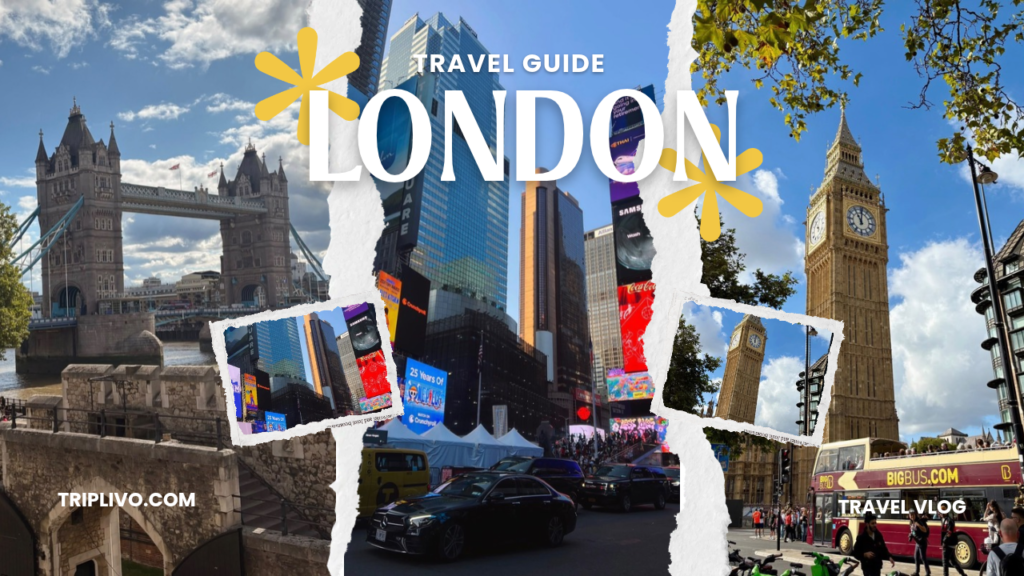
London is one of the most famous travel destinations in the world. As the capital of the United Kingdom, this incredible city offers a unique combination of royal history, historic architecture, modern skyscrapers, world-class museums, beautiful parks, international cuisine and exciting entertainment. From the iconic Big Ben and Tower Bridge to Buckingham Palace, the British Museum and the famous streets of Covent Garden, London has something for every traveller.
Whether you are visiting London for the first time, planning a family holiday, travelling on a budget or exploring British history, this complete London travel guide will help you plan your journey. In this article, you will discover London’s history, the best attractions, transport options, accommodation, food prices, estimated travel costs, itineraries and practical tips for international visitors.
Table of Contents
- Where Is London?
- The History of London
- Why Visit London?
- Best Time to Visit London
- Best Places to Visit in London
- Free Things to Do in London
- London Public Transport Guide
- London Travel Costs in 2026
- Best Areas to Stay in London
- Traditional British Food to Try
- Shopping and Nightlife
- How to Get to London
- London Travel Itineraries
- Essential Travel Tips
- Is London Safe for Tourists?
- Frequently Asked Questions
- Final Thoughts
1. Where Is London?
London is the capital and largest city of the United Kingdom. It is located in southeastern England along the River Thames, which has played a significant role in the city’s development as a commercial, political and cultural centre.
London is one of the world’s most influential cities, known for its international business, universities, museums, theatres, fashion, architecture and diverse communities. It attracts visitors from across the world throughout the year.
The city includes the historic City of London and 32 surrounding London boroughs. Greater London covers a large geographical area, so choosing the right neighbourhood for accommodation can make a significant difference to your travel time and budget.
Quick Facts About London
- Country: United Kingdom
- Capital: London
- Region: Southeastern England
- Main river: River Thames
- Currency: British pound sterling (£)
- Main language: English
- Time zone: GMT in winter and BST in summer
- International telephone code: +44
- Main transport: Underground, buses, trains and Elizabeth line
- Famous attractions: Big Ben, Tower Bridge, Buckingham Palace and the London Eye
Although the United Kingdom is geographically part of Europe, it is no longer a member of the European Union. Travellers arriving from Spain or another European country should check UK entry requirements before travelling.
2. The Complete History of London
London has a history stretching back nearly two thousand years. Its development has been influenced by Roman settlement, medieval trade, royal power, religious change, devastating fires, industrialisation and international migration.
Understanding London’s history makes visiting its famous monuments, museums and historic neighbourhoods even more interesting.
Roman London: The Beginning of Londinium
London’s recorded urban history began after the Roman invasion of Britain in AD 43. The Romans established a settlement known as Londinium, probably during the early decades of Roman rule.
Its location beside the River Thames was ideal for trade and transport. The river connected London with other settlements and allowed goods to move between inland Britain and wider trading networks.
Londinium developed into an important commercial settlement with roads, shops, public buildings and a busy waterfront. Archaeologists have discovered remains of Roman buildings, streets and defensive walls in and around the historic centre.
Today, visitors interested in Roman London can explore surviving sections of the Roman city wall and archaeological discoveries around the City of London.
Anglo-Saxon and Medieval London
Following the decline of Roman authority in Britain, London’s development changed considerably. An Anglo-Saxon trading settlement known as Lundenwic developed farther west before the main commercial centre shifted back towards the old Roman city.
During the medieval period, London became one of England’s most important commercial and political centres. Merchants traded goods from across Europe, while royal government and religious institutions influenced the city’s growth.
The Tower of London was founded by William the Conqueror in the late 11th century after the Norman Conquest. Over the centuries, it served as a royal fortress, palace, prison and place of execution.
London also experienced serious disease outbreaks, including the Black Death in the 14th century, which devastated the population and transformed society.
Barcelona Cathedral: History, Tickets & Travel Guide
Tudor London and the Growth of Theatre
The Tudor period, from 1485 to 1603, was an important era of political, religious and cultural change. London became increasingly influential as a centre of royal administration, trade and entertainment.
During the reign of Elizabeth I, theatre flourished. William Shakespeare and other playwrights helped establish London as one of Europe’s major centres of dramatic performance.
The original Globe Theatre opened in 1599 on the south bank of the River Thames. Today, Shakespeare’s Globe is a modern reconstruction where visitors can discover Elizabethan theatre and attend performances.
The Great Plague and the Great Fire of London
In 1665, the Great Plague caused enormous loss of life in London. Only a year later, in September 1666, the Great Fire of London destroyed much of the medieval city.
The fire began in a bakery on Pudding Lane and spread rapidly through closely packed buildings, many of which were constructed from timber.
The disaster destroyed thousands of homes and numerous churches and commercial buildings. Architect Christopher Wren became closely associated with the rebuilding of the city, particularly through the design of the new St Paul’s Cathedral.
Visitors can still see the Monument to the Great Fire of London, which commemorates the disaster and the city’s recovery.
London During the Industrial Revolution
During the 18th and 19th centuries, industrialisation, expanding trade and population growth transformed London.
Railways, roads, bridges and docks expanded, while the city became increasingly important to Britain’s international commercial networks. The Victorian period brought major engineering developments, including improved sewerage systems and transport infrastructure.
However, rapid growth also created serious challenges, including overcrowding, poverty, pollution and poor living conditions for many residents.
The Houses of Parliament and the famous clock tower now known as the Elizabeth Tower were developed during the 19th century following a major fire at the old Palace of Westminster in 1834.
London During the World Wars
London suffered extensive bombing during the Second World War, particularly during the Blitz of 1940 and 1941.
Residential neighbourhoods, commercial buildings, railway facilities and historic landmarks were damaged. The war changed the city’s physical landscape and had a lasting effect on its population.
Visitors interested in this period can explore the Imperial War Museum and the Churchill War Rooms, the underground complex used by Winston Churchill and his government during the war.
Modern London
After the Second World War, London rebuilt and evolved into a highly international city. Migration from Commonwealth countries, Europe, Asia, Africa and other regions helped shape its distinctive multicultural character.
Today, London is a major centre for finance, technology, education, arts, fashion, tourism and entertainment.
Modern landmarks such as the Shard and the London Eye stand alongside medieval churches, royal palaces, Victorian railway stations and historic streets.
This fascinating mixture of old and new makes London one of the most rewarding cities to explore.
3. Why Should You Visit London?
London offers a wide variety of experiences, making it suitable for solo travellers, couples, families, students and history enthusiasts.
History and Architecture
Explore royal palaces, medieval fortresses, historic churches, Victorian buildings and modern skyscrapers.
World-Class Museums
Discover art, archaeology, science, natural history and cultural collections at London’s many museums and galleries.
Royal Attractions
Visit Buckingham Palace’s public areas when open, explore the historic Tower of London and learn about British royal traditions.

Parks and Gardens
Relax in Hyde Park, Regent’s Park, Greenwich Park and other green spaces throughout the city.
International Cuisine
Enjoy traditional British food alongside South Asian, Caribbean, Chinese, Turkish, Italian and many other international cuisines.
Shopping and Entertainment
Explore Oxford Street, Covent Garden, Camden Market and the West End, which is famous for musicals and theatre productions.
River Views
Walk along the River Thames, cross historic bridges or take a riverboat to admire the city from the water.
London can be expensive, but visitors can reduce their spending by using public transport, visiting free museums and planning their itinerary around nearby attractions.
4. Best Time to Visit London
London is a year-round destination, but weather, daylight, visitor numbers and accommodation prices change with the seasons.
Spring: March to May
Spring brings flowering gardens, longer days and generally milder weather. It is an excellent time for walking tours, sightseeing and exploring parks.
April and May can be pleasant, although rain and cool temperatures remain possible.
Best for gardens, photography, outdoor walks and sightseeing.
Summer: June to August
Summer offers the longest daylight hours and a wide range of outdoor events. Visitors can enjoy riverside walks, outdoor performances, markets and park activities.
However, this is a busy period, and accommodation and attraction prices can be higher.
Best for families, outdoor activities, festivals and first-time visitors.
Autumn: September to November
Early autumn can offer comfortable sightseeing weather and fewer visitors than the peak summer period. Parks change colour, and the city hosts cultural events and exhibitions.
November becomes colder and darker, with more frequent rain.
Best for museums, architecture, photography and relaxed sightseeing.
Winter: December to February
Winter brings cold weather, shorter daylight hours and festive decorations. December is especially popular for Christmas lights and seasonal shopping.
January and February can be quieter, although some outdoor attractions may have reduced hours.
Best for museums, theatre, seasonal events and indoor activities.
Recommended months: May, June and September are good choices for many visitors, although the best time depends on your budget, preferred weather and travel dates.
5. Best Places to Visit in London
London has hundreds of attractions, but certain landmarks should be high on your list if you are visiting for the first time.
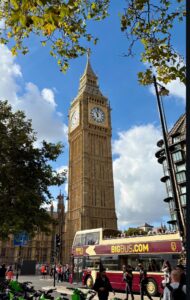
5.1 Big Ben and the Houses of Parliament
Big Ben is one of the most recognisable symbols of the United Kingdom. Strictly speaking, Big Ben is the name of the Great Bell inside the Elizabeth Tower, although the name is commonly used for the entire clock tower.
The tower forms part of the Palace of Westminster, where the UK’s Parliament meets. The present Gothic Revival buildings were largely developed during the 19th century.
Visitors can admire the architecture from Westminster Bridge, Parliament Square and the riverside.
Things to do include photographing Big Ben, walking across Westminster Bridge and exploring the surrounding historic area.
Viewing the exterior is free, while parliamentary tours and other visits may require advance booking and payment.
Recommended visit time: 30–60 minutes for the exterior.
5.2 Buckingham Palace
Buckingham Palace is the official London residence of the British monarch and one of the country’s most famous royal landmarks.
The building developed from an earlier townhouse purchased by George III in the 18th century and later became a royal residence under George IV.
The Changing of the Guard is a popular ceremonial event, although it does not take place every day throughout the year. Schedules may change because of weather or official events.
Visitors can photograph the palace exterior, explore nearby St James’s Park and admire the Victoria Memorial.
Certain palace rooms open to visitors during designated periods, generally requiring paid tickets.
Recommended visit time: 45–90 minutes for the surrounding area, longer if visiting the interior.
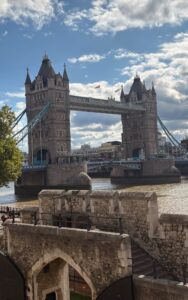
5.3 Tower Bridge
Tower Bridge is a famous Victorian bridge crossing the River Thames near the Tower of London. It opened in 1894 and combines suspension engineering with movable bascules that allow suitable vessels to pass.
The bridge’s twin towers and distinctive design make it one of London’s most photographed landmarks.
Visitors can walk across the bridge for free. A paid exhibition offers access to elevated walkways and displays about the bridge’s engineering and historic engine rooms.
Recommended visit time: 30–90 minutes.
5.4 Tower of London
The Tower of London is a historic fortress established after the Norman Conquest. Throughout its history, it has served as a royal residence, defensive stronghold, prison, armoury and site of important state ceremonies.
It is particularly famous for the Crown Jewels, which are displayed under security.
Visitors can explore historic buildings, learn about royal history and join guided tours led by Yeoman Warders, commonly known as Beefeaters.
Recommended visit time: 2–3 hours.
Admission is paid, and booking ahead is recommended.
5.5 The London Eye
The London Eye is a giant observation wheel on the South Bank of the River Thames. It opened to the public in 2000 and became one of London’s defining modern landmarks.
Its enclosed capsules offer panoramic views over Westminster, St Paul’s Cathedral and the surrounding skyline on clear days.
Sunset and evening rides can provide particularly attractive views.
Recommended visit time: 45–90 minutes, including queues.
Admission is paid, and advance booking may offer more choice.
5.6 Westminster Abbey
Westminster Abbey is one of Britain’s most important religious and historic buildings. It has strong connections to royal coronations, weddings, funerals and the commemoration of notable historical figures.
The present Gothic church largely reflects medieval rebuilding, particularly from the 13th century onwards.
Inside, visitors can admire historic tombs, memorials, architectural details and the Coronation Chair when accessible.
Westminster Abbey remains an active place of worship, so visitor arrangements can vary on religious holidays and during services.
Recommended visit time: 1.5–2 hours.
General sightseeing admission is paid.
5.7 The British Museum
The British Museum is one of the world’s best-known museums, with extensive collections relating to human history, archaeology and world cultures.
Founded in 1753, it opened to the public in 1759. Its collections include the Rosetta Stone, ancient Egyptian artefacts, Greek sculpture and historical objects from many parts of the world.
The museum is an excellent choice for travellers interested in history who want to keep costs low.
Plan your visit around a few important collections rather than trying to see everything in one day.
Recommended visit time: 2–4 hours.
General admission is free, although special exhibitions may require paid tickets.
5.8 St Paul’s Cathedral
St Paul’s Cathedral is one of London’s most important architectural landmarks. Designed by Christopher Wren after the Great Fire of London, the present cathedral was completed in the early 18th century.
Its magnificent dome dominates the surrounding skyline. Inside, visitors can discover monuments, mosaics and historic spaces. Eligible ticket holders may also access designated galleries offering views over London.
Recommended visit time: 1.5–2 hours.
Sightseeing admission is paid, and some areas may close during services or special events.
5.9 Trafalgar Square and the National Gallery
Trafalgar Square is a major public square in central London. It commemorates the British victory at the Battle of Trafalgar in 1805 and features Nelson’s Column, fountains and public art.
The National Gallery stands beside the square and houses an extensive collection of European paintings.
The location is ideal for walking towards Covent Garden, Leicester Square, Soho and Westminster.
Trafalgar Square is free to visit, and the National Gallery offers free general admission to its permanent collection.
5.10 Hyde Park
Hyde Park is one of London’s most famous green spaces, offering wide lawns, walking paths, mature trees and the Serpentine lake.
It is an excellent place to relax after exploring busy streets. Visitors can walk, picnic, sit beside the water or continue towards nearby Kensington Gardens.
General public access is free, although some special events may affect access to particular areas.
5.11 Covent Garden
Covent Garden is a lively central district famous for its historic market buildings, restaurants, boutiques and street performers.
Today, it is one of London’s most popular places for shopping, dining and entertainment.
Visitors can wander through public areas, browse independent shops and enjoy the atmosphere of the surrounding streets.
Walking around the public areas is generally free, while shopping, dining and performances cost extra.
5.12 Camden Market
Camden Market is known for independent shops, alternative fashion, crafts, street food and music culture.
It offers a different atmosphere from royal Westminster and London’s traditional business districts.
Visitors can browse stalls, sample international food and explore the Regent’s Canal.
General market areas are usually free to enter, although purchases and food cost extra.
5.13 Greenwich and the Royal Observatory
Greenwich is a historic riverside district with maritime heritage, attractive streets and extensive parkland.
The Royal Observatory is closely associated with the Prime Meridian and the history of astronomy and timekeeping.
Nearby attractions include the National Maritime Museum, the Old Royal Naval College and Greenwich Market.
Greenwich Park also offers excellent views towards the Canary Wharf skyline.
Allow approximately half a day to explore the area.
5.14 The Shard
The Shard is a modern skyscraper near London Bridge station. Completed in the early 2010s, it has become one of the most recognisable features of London’s contemporary skyline.
Its observation attraction offers elevated views over the city, while restaurants and other businesses operate within the building.
You can photograph the building from nearby streets and riverside viewpoints without paying for an observation ticket.
5.15 Shakespeare’s Globe
Shakespeare’s Globe is a reconstruction inspired by the open-air theatre associated with William Shakespeare.
Located on the South Bank, it offers an opportunity to learn about Elizabethan theatre and London’s literary history.
Visitors can attend performances or join guided tours, depending on the schedule.
Tours and performances require tickets, with prices depending on the event and seating.
6. Free Things to Do in London
London offers many enjoyable activities that do not require an expensive ticket. These are especially useful for backpackers, families and travellers who want to control their budget.
Here are some of the best free experiences:
- Walk around Westminster and photograph Big Ben.
- Explore the public walkways across Tower Bridge.
- Visit the British Museum’s permanent collections.
- Discover paintings at the National Gallery.
- Relax in Hyde Park or Regent’s Park.
- Walk along the South Bank of the Thames.
- Explore Covent Garden’s public spaces.
- Browse Camden Market without purchasing anything.
- Visit the Natural History Museum’s free permanent galleries.
- Photograph Buckingham Palace from the public areas.
- Explore Greenwich Park and its panoramic views.
- Walk through historic streets around St James’s and Westminster.
Museum opening times, timed-entry arrangements and seasonal schedules can change, so check before travelling.
By combining free museums, parks and walking routes, you can enjoy London without spending a large amount on attractions.
7. London Public Transport Guide
London has an extensive public transport network, including the Underground, buses, suburban railways, the Elizabeth line, the Docklands Light Railway and river services.
For most tourists, public transport is the easiest way to reach major attractions. Walking is often more convenient for short journeys between nearby landmarks.
London Underground: The Tube
The London Underground, commonly called the Tube, connects central London with many outer neighbourhoods and transport hubs.
To use the Tube:
- Find your nearest Underground station.
- Check your destination and the correct line.
- Follow the signs for the appropriate platform and direction.
- Tap in using a compatible contactless bank card, mobile device or Oyster card.
- Tap out where required, using the same payment method.
- Check the route and fare before travelling.
The Tube is particularly useful for travelling between Westminster, the West End, the British Museum area and London Bridge.
Always check the destination displayed on the train and the direction shown on the station signs.
London Buses
London’s red double-decker buses are both a transport service and an iconic part of the city’s identity.
Buses can be useful for short journeys, routes not directly served by the Underground and sightseeing above ground.
Passengers generally board using the front door and tap their payment method on the yellow reader. On most routes, you do not tap out when leaving.
The Hopper fare allows eligible passengers to make multiple bus and tram journeys within a qualifying one-hour period for the price of one fare.
Elizabeth Line
The Elizabeth line is a modern railway connecting Heathrow Airport with central London and destinations farther east and west.
It is useful for reaching areas including Paddington, Tottenham Court Road, Farringdon and Liverpool Street.
It can be more convenient than the Underground for some journeys, but compare the fare and travel time before choosing.
London Overground and National Rail
The London Overground connects many neighbourhoods beyond the traditional Underground network.
National Rail services are useful for suburban destinations and journeys outside London. Some services accept Oyster or contactless payment within applicable travel areas, while longer-distance journeys may require separate tickets.
Advance rail tickets can sometimes offer better value for day trips outside the city.
Docklands Light Railway
The Docklands Light Railway, or DLR, is an automated railway serving areas including Canary Wharf, Docklands and Greenwich.
It is particularly useful for exploring modern waterfront districts and parts of east London.
River Bus and Thames Cruises
River services offer a scenic alternative to road and rail transport.
Uber Boat by Thames Clippers operates river services along parts of the Thames. These can provide excellent views of bridges, historic buildings and London’s skyline.
River travel is not always the cheapest option, so compare routes and ticket prices before boarding.
London Transport Costs in 2026
The following figures are approximate planning estimates for adult travellers. Transport fares can change, so confirm the current prices with Transport for London before travelling.
| Transport option | Approximate cost |
|---|---|
| Bus or tram single fare | £1.75 before the announced November 2026 increase |
| Bus and tram daily cap | Around £5.25, subject to fare updates |
| Tube daily cap, Zones 1–2 | Around £8.90 |
| Tube daily cap, Zones 1–3 | Around £10.50 |
| Tube daily cap, Zones 1–4 | Around £12.80 |
| Heathrow to central London by Piccadilly line | Around £5.90 |
| Elizabeth line from Heathrow to Zone 1 | From around £15.50, depending on journey and fare conditions |
| Walking | Free |
| Thames riverboat | Depends on route and ticket type |
These are indicative figures rather than guaranteed fares. Heathrow fares depend on the destination, payment method and service, while riverboats have a separate fare structure.
Check the official Transport for London website for current fares and service information.
Oyster Card or Contactless Payment?
For most adult visitors, contactless payment or an Oyster card is a convenient way to travel around London.
Contactless payment allows you to tap a compatible bank card or mobile device directly on the reader. An Oyster card is a reusable smart card that can be loaded with credit or eligible travel products.
A Visitor Oyster card is marketed to tourists, but it may involve an upfront card fee and delivery arrangements.
Use the same physical card or the same device throughout the day. A physical bank card and the same card stored in a mobile wallet may be treated as separate payment methods.
Check whether your bank charges foreign transaction fees. Contactless is often the simplest option, but Oyster may be useful if your card is not accepted or you prefer a dedicated travel card.
How to Travel From Heathrow Airport to Central London
Heathrow is one of London’s principal international airports and offers several ways to reach the city.
Piccadilly line: Often a cost-effective option with connections to several central London stations.
Elizabeth line: Offers modern trains and convenient connections to several major central stations.
Heathrow Express: A dedicated airport train serving Paddington. It can be fast, but it may cost more than other options.
Taxi or private transfer: Convenient for heavy luggage, families and groups, but usually more expensive than public transport.
The best choice depends on your hotel location, luggage, budget and arrival time.
London also has Gatwick, Stansted, Luton, London City and Southend airports. Check your airport carefully because transfer times and prices vary considerably.
8. London Travel Costs in 2026
London can be expensive, but your total budget depends on your travel style, accommodation, season, meals and the number of paid attractions you visit.
Accommodation is often one of the largest expenses. Travellers staying in hostels and visiting free museums can spend significantly less than visitors choosing central hotels, fine dining and multiple ticketed experiences.
Estimated Daily Budget Per Person
Budget traveller: £85–£140 per day
This may cover a hostel or basic room, inexpensive meals, local transport and mostly free attractions.
Mid-range traveller: £180–£300 per day
This may cover a private hotel room, casual restaurants, public transport and selected paid attractions.
Luxury traveller: £400 or more per day
This may include premium accommodation, fine dining, paid experiences and more private transport.
These are approximate planning ranges rather than guaranteed prices. They include an allowance for one night’s accommodation, meals, local transport and sightseeing but exclude flights, visa or entry-permission costs, shopping and major unexpected expenses.
Accommodation Prices
| Accommodation type | Approximate cost per night |
|---|---|
| Hostel dormitory bed | £25–£60 |
| Basic private room | £60–£120 |
| Budget hotel | £70–£140 |
| Mid-range hotel | £100–£250 |
| Premium hotel | £250–£500 or more |
Prices vary by season, neighbourhood, demand and booking date. Major events and busy weekends can push prices substantially higher.
To save money, consider accommodation outside the most expensive central districts but close to a reliable Underground or rail station.
Compare the full cost of accommodation, including transport, breakfast, luggage storage and additional fees.
Food Prices in London
London has a diverse food scene, from supermarket meal deals and street food to traditional pubs and expensive restaurants.
| Food or drink | Approximate cost |
|---|---|
| Supermarket meal deal | £4–£7 |
| Bakery breakfast or snack | £4–£10 |
| Budget lunch | £7–£15 |
| Street food meal | £8–£16 |
| Casual restaurant meal | £15–£30 |
| Mid-range restaurant dinner | £25–£50 or more |
| Coffee | £3–£6 |
| Pub drink | £6–£9 or more |
Actual prices depend on the venue and neighbourhood. Restaurants close to major tourist attractions may be more expensive than those in less central areas.
For a budget trip, buy breakfast from a supermarket or bakery, enjoy lunch at an affordable café or market, and choose a casual restaurant for dinner.
Attraction Ticket Costs
Many of London’s most interesting museums are free, while major royal and entertainment attractions generally charge admission.
| Attraction | General admission information |
|---|---|
| British Museum | Free general admission |
| National Gallery | Free general admission |
| Natural History Museum | Free general admission |
| Hyde Park | Free public access |
| Tower Bridge exhibition | Paid |
| Tower of London | Paid |
| London Eye | Paid |
| Westminster Abbey sightseeing | Paid |
| St Paul’s Cathedral sightseeing | Paid |
| The View from The Shard | Paid |
Ticket prices, discounts and opening arrangements can change. Always check official attraction websites before making plans.
Sample Three-Day London Budget
Here is an illustrative budget for one adult travelling on a budget.
| Expense | Three-day estimate |
|---|---|
| Accommodation at £40 per night | £120 |
| Food at £25 per day | £75 |
| Local transport at £9 per day | £27 |
| Attractions and activities | £30 |
| Miscellaneous expenses | £20 |
| Total estimated cost | £272 |
This example excludes flights, airport transfers, visa or entry-permission expenses, shopping and travel insurance. Your actual total may be higher or lower depending on your dates and choices.
How to Save Money in London
- Book accommodation early when your travel dates are fixed.
- Compare hotels in different neighbourhoods.
- Visit free museums and parks.
- Use contactless payment or Oyster for public transport.
- Walk between nearby attractions.
- Choose only the paid attractions that interest you most.
- Compare attraction passes against individual ticket prices.
- Buy food from supermarkets, bakeries and affordable markets.
- Check whether your hotel includes breakfast.
- Travel outside peak periods when possible.
- Compare airport transfer costs before booking flights.
- Keep an emergency allowance for unexpected expenses.
9. Best Areas to Stay in London
Choosing the right neighbourhood can save time and money. London is large, so consider transport connections as well as the nightly room price.
Westminster
Best for first-time visitors and sightseeing.
Westminster places you near Big Ben, the Houses of Parliament, Westminster Abbey and Buckingham Palace. It is convenient, although accommodation can be expensive.
Covent Garden and the West End
Best for theatre, shopping, restaurants and nightlife.
This area offers excellent access to Leicester Square, Soho, theatres and many central attractions. It is lively and walkable, but accommodation prices can be high.
South Bank and Waterloo
Best for river walks and cultural attractions.
The South Bank provides access to the London Eye, riverside paths, theatres and attractions across the Thames. Waterloo is also an important transport hub.
King’s Cross and St Pancras
Best for rail connections.
This area is convenient for visitors arriving by train and offers Underground connections and a variety of accommodation options.
Paddington
Best for Heathrow connections.
Paddington is convenient for airport rail services, the Elizabeth line and Underground connections.
Shoreditch
Best for nightlife, street art and independent shops.
Shoreditch offers a contemporary atmosphere, creative venues and a wide selection of food and nightlife options.
Greenwich
Best for history, green spaces and a quieter atmosphere.
Greenwich offers maritime history, a market and a large park, although you should consider the journey time to central London attractions.
My recommendation: Choose accommodation near a reliable Underground or rail station rather than paying extra solely for a famous postcode.
10. Traditional British Food You Should Try in London
London is one of the world’s most international food cities, but several traditional British dishes are worth trying.
Fish and Chips
Fish and chips typically consists of battered fish served with chips, often accompanied by tartar sauce, peas or lemon.
Full English Breakfast
A traditional full English breakfast may include eggs, sausages, bacon, baked beans, mushrooms, tomatoes and toast.
Sunday Roast
A Sunday roast commonly includes roasted meat, roast potatoes, vegetables, gravy and Yorkshire pudding. Vegetarian alternatives are available at many pubs.
Afternoon Tea
Afternoon tea traditionally includes tea, sandwiches, scones, jam and small cakes. Hotel afternoon teas can be expensive, so compare prices if you are travelling on a budget.
Pie and Mash
Pie and mash is a traditional British comfort-food option, often served with gravy. Vegetarian fillings are available in some establishments.
Indian and Bangladeshi Cuisine
London has a large South Asian food scene, including Bangladeshi, Indian and Pakistani restaurants.
You can also find excellent Turkish, Chinese, Caribbean, Ethiopian, Italian and many other international cuisines.
For better value, look beyond the busiest tourist streets and compare menus before choosing a restaurant.
11. Shopping and Nightlife in London
London offers a wide range of shopping and entertainment experiences.
Best Shopping Areas
Oxford Street: Major fashion retailers and department stores.
Regent Street: Fashion shops and historic architecture.
Covent Garden: Boutiques, gifts, food and market-style shopping.
Camden Market: Alternative fashion, crafts, vintage items and street food.
Portobello Road Market: Antiques and market stalls, particularly associated with Notting Hill.
Borough Market: Food stalls and specialist food shops.
Check opening hours, especially on Sundays and public holidays.
Nightlife in London
London’s nightlife includes West End theatre, live music, comedy clubs, pubs, cocktail bars and late-night venues.
Soho is known for nightlife and entertainment, while Shoreditch offers bars and music venues. The South Bank is an excellent option for evening walks and theatre.
Plan your return journey in advance. Not every Underground line operates throughout the night, and Night Tube services run only on selected lines and nights.
12. How to Get to London From Abroad
London can be reached by air, rail, coach and, on some European routes, a combination of train and ferry.
Flying to London
The best airport depends on your airline, ticket price and accommodation location.
Heathrow Airport (LHR): A major international hub with Underground, Elizabeth line and Heathrow Express connections.
Gatwick Airport (LGW): Offers rail connections to central London and other destinations.
Stansted Airport (STN): Served by Stansted Express and coach services.
Luton Airport (LTN): Offers rail and coach connections, including access via Luton Airport Parkway.
London City Airport (LCY): Convenient for some business and short-haul journeys, with DLR access.
Southend Airport (SEN): Serves a more limited range of routes and has rail connections.
A cheap flight is not always the cheapest overall option. Add the cost of reaching your hotel, baggage charges and transfer time before comparing tickets.
Travelling From Spain
If you are travelling from Barcelona, Madrid or another Spanish city, compare flights to London’s different airports.
Check the UK’s current entry requirements for your nationality and circumstances. Living in Spain or holding a Spanish residence card does not automatically give every traveller the right to enter the UK.
Travelling by Train
International rail services connect London with continental Europe through routes using the Channel Tunnel. Eurostar operates services between London and destinations including Paris and Brussels, subject to the timetable.
Rail can be convenient if you are already travelling through mainland Europe, but compare ticket prices and booking conditions against flights.
Travelling by Coach
International and domestic coach services may offer lower fares than trains or flights, especially when booked early. They generally take longer, and luggage allowances vary by operator.
13. London Travel Itineraries
Planning your itinerary around nearby attractions helps reduce travel time and makes your visit more enjoyable.
One-Day London Itinerary
Morning
- Start at Westminster.
- Photograph Big Ben and the Houses of Parliament.
- Visit Westminster Abbey if you have a pre-booked ticket.
Afternoon
- Walk through St James’s Park towards Buckingham Palace.
- Continue to Trafalgar Square.
- Visit the National Gallery if time permits.
Evening
- Walk towards the South Bank.
- Enjoy views of the Thames and the London Eye.
- Have dinner in a nearby neighbourhood.
This itinerary works best if you concentrate on exterior sightseeing and choose only one major paid attraction.
Three-Day London Itinerary
Day 1: Royal and Historic London
- Big Ben and Westminster
- Westminster Abbey
- St James’s Park
- Buckingham Palace
- Trafalgar Square
- Covent Garden
Day 2: The Tower and the Thames
- Tower of London
- Tower Bridge
- Lunch near Borough Market
- Walk along the South Bank
- London Eye or a riverside evening
Day 3: Museums and Neighbourhoods
- British Museum
- Covent Garden or Soho
- Regent Street or Oxford Street
- Camden Market, if you enjoy shopping and street food
Adjust the schedule according to opening days, weather and personal interests.
Five-Day London Itinerary
Day 1: Westminster, Buckingham Palace, St James’s Park and Trafalgar Square.
Day 2: Tower of London, Tower Bridge, Borough Market and the South Bank.
Day 3: British Museum, Covent Garden, Soho and the West End.
Day 4: Greenwich Park, Royal Observatory, Greenwich Market and the riverside.
Day 5: Choose Hyde Park and Kensington museums, Camden Market and Regent’s Park, or a day trip outside London.
Possible day trips include Windsor, Oxford, Cambridge, Bath and Stonehenge. Each requires separate transport planning, and some destinations need a full day.
14. Essential Travel Tips for London
Check UK Entry Requirements
Before travelling, confirm whether you need a visa, an Electronic Travel Authorisation (ETA) or another form of permission.
Requirements depend on nationality, travel purpose and the documents you hold.
Use the official UK government visa checker and ETA information rather than relying on social media posts.
Carry a Suitable Payment Method
Contactless cards and mobile wallets are widely accepted. Carry a backup payment method and check whether your bank charges international fees.
Prepare for the Weather
London weather can change quickly. Bring a compact rain jacket, comfortable walking shoes and clothing suitable for the season.
Use Official Ticket Websites
Book major attractions through official websites or reputable authorised sellers. Check entry times, cancellation policies, ticket inclusions and opening arrangements.
Protect Your Belongings
Keep your phone, wallet and passport secure, particularly around crowded stations, markets and popular tourist attractions.
Be cautious of unsolicited offers, suspicious ticket sellers and unexpected payment requests.
Understand London’s Transport Zones
Many central attractions are in Zones 1 and 2, but airports and outer neighbourhoods may be in other zones or have different fare arrangements.
Use a journey planner rather than assuming that a hotel described as being in London is close to the city centre.
Plan Your Walking Routes
Attractions that appear close on a map can involve longer walks because of large roads, river crossings, station entrances and pedestrian routes.
Group visits by neighbourhood and allow time for meals, queues and rest.
Respect Local Rules
Follow station signs, road-crossing signals and instructions at attractions. Some buildings restrict photography in particular areas, and religious sites may have dress or visitor requirements.
Emergency Information
The main UK emergency telephone number is 999. You can also dial 112. Use these numbers for genuine emergencies requiring police, fire or ambulance assistance.
For non-emergency police matters, consult the official Metropolitan Police website.
15. Is London Safe for Tourists?
London is visited by travellers from all over the world, but, like other large cities, it has situations where visitors should take extra care.
Stay alert in crowded transport hubs, keep valuables secure and use licensed transport services. If returning late at night, plan your route and check whether public transport is operating.
Visitors should also be cautious of unofficial ticket sellers, accommodation scams and offers that require unusual payment methods.
Safety conditions can vary by location and time. Check official advice and follow local instructions during your visit.
16. Frequently Asked Questions About London
Is London expensive to visit?
London can be expensive, particularly for accommodation and major paid attractions. However, free museums, parks, public walking routes and affordable food options make it possible to manage costs with careful planning.
How many days are enough to visit London?
Three days is a useful starting point for first-time visitors. Five days allows more time for museums, markets, neighbourhoods and a possible day trip.
What is the cheapest way to travel around London?
Walking is free, and buses are generally cheaper per journey than the Tube. For multiple journeys, a compatible contactless card or Oyster card offers convenient pay-as-you-go fares and applicable daily caps.
Can I visit London on a budget?
Yes. Stay in affordable accommodation near a useful transport connection, visit free museums, use public transport and limit expensive attractions to those you most want to experience.
What currency is used in London?
London uses the British pound sterling, represented by the symbol £. Card payments are widely accepted, but it is useful to have a backup payment method.
La Rambla Barcelona: 9 Amazing Attractions & Travel Tips
Is public transport easy to use in London?
Yes. The Underground, buses and rail network serve most tourist areas. Use an official journey planner, follow station signs and check for service disruptions.
Are London’s museums free?
Many major museums and galleries, including the British Museum and National Gallery, offer free general admission to their permanent collections. Special exhibitions and additional experiences may require payment.
What is the best month to visit London?
May, June and September are good options for many travellers, although the best month depends on weather preferences, school holidays, events and accommodation prices.
Is London suitable for families?
Yes. Families can enjoy museums, parks, river walks, historic attractions and entertainment. Check child ticket rules, stroller access and age suitability before booking activities.
Do I need a visa to visit London?
It depends on your nationality, passport and circumstances. Some visitors need a visa, while others may need an ETA or another form of permission. Always check official UK government requirements before booking travel.
How much does a three-day London trip cost?
A budget traveller might plan around £255–£420 for three days using the daily ranges in this guide, excluding flights and airport transfers. Actual costs depend on accommodation, food, attractions and travel dates.
Can I use euros in London?
The official currency is the pound sterling. Visitors should plan to pay in pounds or use a suitable payment card.
17. Final Thoughts: Plan Your London Trip Wisely
London combines centuries of history with modern culture, iconic architecture, excellent museums, beautiful parks and an international food scene.
Whether you want to see Big Ben, explore the Tower of London, visit Buckingham Palace, walk along the Thames or discover local markets, the city offers an enormous range of experiences.
The key to a successful trip is planning your itinerary around nearby attractions, choosing accommodation with good transport connections and balancing paid experiences with free activities.
Before travelling, check current transport fares, attraction opening times, accommodation prices and UK entry requirements.
With a realistic budget and a little preparation, you can enjoy a memorable London holiday without spending more than necessary.
Official Websites for Planning Your London Trip
- Transport for London: https://tfl.gov.uk/
- Visit London: https://www.visitlondon.com/
- UK government visa checker: https://www.gov.uk/check-uk-visa
- UK Electronic Travel Authorisation: https://www.gov.uk/eta
- British Museum: https://www.britishmuseum.org/visit
Important publishing note: Transport fares and travel requirements can change. Verify all current prices and entry rules before publishing. No article can guarantee first-page rankings or viral traffic; original photography, useful information, accurate updates and good website performance all matter.