
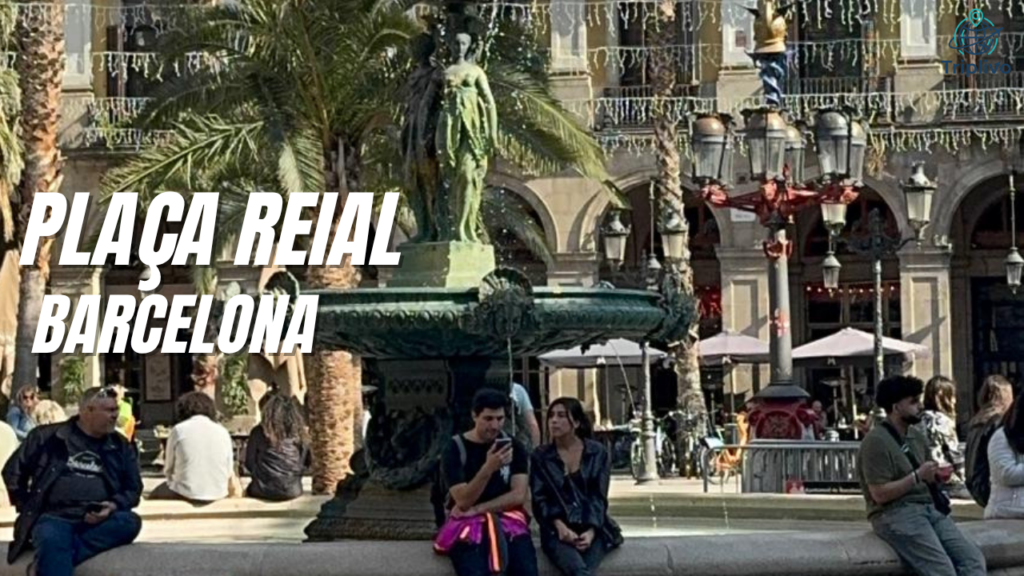
Plaça Reial Barcelona: Complete History & Travel Guide (Royal Square of Barcelona)
Plaça Reial Barcelona – History, Architecture & Ultimate Travel Guide
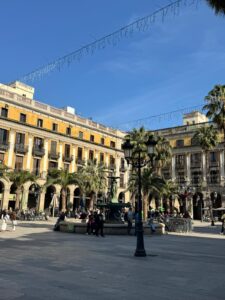
Hidden just steps away from the famous Las Ramblas lies one of Barcelona’s most atmospheric and elegant public spaces — Plaça Reial, the Royal Square of Barcelona. With palm trees swaying under Mediterranean sunlight, neoclassical architecture surrounding arcaded walkways, and lively cafés buzzing day and night, Plaça Reial represents the perfect fusion of history, culture, nightlife, and Catalan identity.
This iconic square is not just another tourist attraction; it is a living historical stage where Barcelona’s transformation from a medieval city into a modern European metropolis unfolded.
In this complete guide, you will discover:
- The fascinating history of Plaça Reial
- Architectural secrets and Gaudí’s early work
- Cultural significance through centuries
- Best things to do and see
- Travel tips and safety advice
- Photography spots
- Restaurants and nightlife
- Hidden gems most tourists miss
Whether you are planning your first Barcelona trip or writing a travel blog, this professional guide covers everything.
What is Plaça Reial?
Plaça Reial (meaning “Royal Square” in Catalan) is a historic square located in Barcelona’s Gothic Quarter, just off Las Ramblas — the city’s most famous pedestrian boulevard.
Built in the mid-19th century, the square was designed as a grand urban space honoring the Spanish monarchy and showcasing Barcelona’s growing prestige during a period of modernization.
Today, it is known for:
- Elegant arcaded buildings
- Palm-lined central plaza
- Historic fountain
- Antoni Gaudí-designed lampposts
- Vibrant nightlife scene
It remains one of Barcelona’s most beloved meeting points for locals and travelers alike.
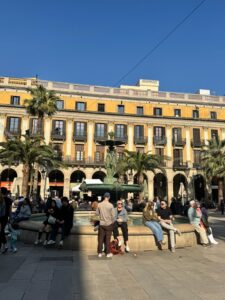
The History of Plaça Reial Barcelona
Before the Square — The Capuchin Convent Era (1718–1835)
Before Plaça Reial existed, the land was occupied by a Capuchin monastery built in the early 18th century.
The convent dominated this area until 1835, when Spain underwent major political and religious reforms known as the Mendizábal confiscations, during which church properties were seized and demolished.
The demolition left a massive empty space in the heart of Barcelona’s old city — creating an opportunity for urban redesign.
This moment marked the beginning of Plaça Reial’s story.
Birth of a Royal Square (1848–1864)
Barcelona authorities envisioned a grand square inspired by European urban planning trends.
Architect Francesc Daniel Molina i Casamajó designed the new plaza with:
- Symmetrical neoclassical buildings
- Covered arcades
- Elegant façades
- Decorative terracotta elements
Construction was completed around 1864.
Originally, planners intended to place a statue of King Ferdinand VII at the center, symbolizing royal authority. However, the monument was never built.
Instead, the now-famous Fountain of the Three Graces became the centerpiece.
Gaudí’s First Contribution to Barcelona
One of Plaça Reial’s greatest historical treasures is often overlooked.
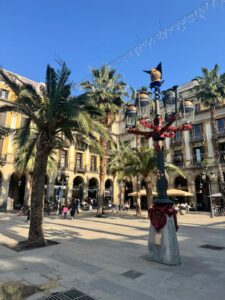
The ornate street lamps surrounding the fountain were designed in 1879 by a young architect — Antoni Gaudí, long before he created masterpieces like Sagrada Família.
These lampposts feature:
- Winged helmets
- Dragons
- Intricate ironwork symbolism
They represent Gaudí’s earliest surviving public work in Barcelona.
From Aristocratic Residence to Bohemian Hub
Initially, Plaça Reial housed wealthy Barcelona families and reflected bourgeois elegance.
Over time, social changes transformed the square:
- Early 20th century → commercial activity increased
- Post-Spanish Civil War → decline and overcrowding
- 1950s → rise of bars and nightlife culture
By mid-century, taverns and music venues attracted sailors, artists, and travelers, giving the square a lively bohemian atmosphere.
Modern Revival
Urban restoration projects revitalized Plaça Reial, restoring its architectural beauty while preserving its cultural energy.
Today it balances:
- Historical heritage
- Tourism
- Local social life
- Night entertainment
Architecture of Plaça Reial
Neoclassical Urban Design
Plaça Reial is unique because it is Barcelona’s most famous porticoed square — meaning buildings include covered walkways supported by arches.
Architectural highlights include:
- Uniform façades creating visual harmony
- Arcades protecting pedestrians from sun and rain
- Mediterranean palm trees enhancing atmosphere
- Central symmetry typical of 19th-century planning
The design was meant to project royal dignity and urban sophistication.
The Fountain of the Three Graces
At the center stands the Three Graces Fountain, symbolizing beauty, joy, and creativity.
Surrounded by palm trees and Gaudí lampposts, it forms one of Barcelona’s most photographed spots.
Arcades and Hidden Passages
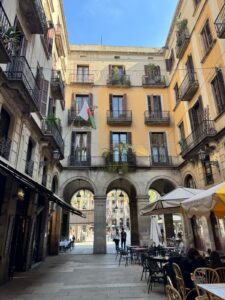
Three main entrances connect the square to surrounding streets, including direct access from Las Ramblas through covered corridors.
These passageways create a dramatic reveal — visitors suddenly emerge into a wide open plaza after walking narrow medieval streets.
Cultural Importance of Plaça Reial
Plaça Reial is more than architecture — it reflects Barcelona’s social evolution.
Cultural roles through history:
- Royal urban project
- Bourgeois residential area
- Post-war social hub
- Artistic meeting place
- Modern nightlife center
Festivals and live music events are still held here, especially during Barcelona’s major celebrations such as La Mercè festival.
Tibidabo Barcelona Travel Guide
Location & How to Reach Plaça Reial
Exact Location
Plaça Reial sits inside Barcelona’s Gothic Quarter, approximately 50 meters from Las Ramblas.
Nearby landmarks:
- Las Ramblas
- Liceu Theatre
- Gothic Quarter streets
- Port Vell waterfront
Metro & Transport
Best transport options:
- Metro Line 3 — Liceu Station
- City buses along Las Ramblas
- Walking from Plaça Catalunya
Barcelona’s compact layout makes walking the best way to explore.
Best Things to Do in Plaça Reial
1. Admire Gaudí’s Lampposts
Most tourists miss this detail.
Look closely at the ironwork — dragons and mythological symbols reveal Gaudí’s early creativity.
2. Enjoy Café Culture
Outdoor terraces allow visitors to:
- Sip coffee
- Watch street performers
- Experience Barcelona’s social rhythm
3. Visit the Sunday Market
Every Sunday morning, collectors gather for a small market specializing in stamps and coins — a tradition loved by locals.
4. Experience Nightlife
After sunset, Plaça Reial transforms dramatically.
The square becomes one of Barcelona’s most energetic nightlife zones with bars and music venues attracting international crowds.
Plaça Reial Day vs Night Experience
Daytime Atmosphere
- Relaxed
- Photogenic
- Family-friendly
- Perfect for architecture lovers
Nighttime Atmosphere
- Music and nightlife
- Social gatherings
- Vibrant energy
- Popular meeting point
The contrast makes it one of Barcelona’s most dynamic spaces.
Best Time to Visit Plaça Reial
Morning (8–11 AM)
✔ Quiet photography
✔ Fewer tourists
Afternoon
✔ Café culture
✔ Street life
Evening
✔ Golden light photography
Night
✔ Nightlife experience
Park Güell Barcelona Travel Guide
Photography Guide
Best photo spots:
- Fountain center perspective
- Under arcades framing palm trees
- Night shots with illuminated lampposts
- Balcony views from surrounding buildings
Golden hour produces magical lighting effects.
Travel Tips for First-Time Visitors
✅ Visit early morning for calm atmosphere
✅ Watch belongings (busy tourist area)
✅ Explore surrounding Gothic Quarter streets
✅ Combine visit with Las Ramblas walk
✅ Stay for both day and night experience
Safety Tips
Like many central tourist areas:
- Pickpocketing can occur
- Keep bags closed
- Avoid displaying valuables
Use normal big-city awareness.
Hidden Gems Near Plaça Reial
- Secret alleyways of Gothic Quarter
- Historic taverns nearby
- Small art galleries
- Flamenco venues
Many travelers walk past without discovering these.
Why Plaça Reial is Unique in Barcelona
Unlike other squares:
- Fully symmetrical design
- Royal urban vision
- Gaudí’s early work
- Strong nightlife identity
- Blend of elegance and bohemian culture
It perfectly represents Barcelona’s layered history.
Montmartre Paris Travel Guide 2026
Suggested Walking Itinerary
- Start at Plaça Catalunya
- Walk Las Ramblas
- Enter Plaça Reial through arcades
- Explore Gothic Quarter
- Continue toward Port Vell
Final Thoughts
Plaça Reial is not just a square — it is a symbol of Barcelona’s transformation across centuries.
From monastery grounds to royal project, from decline to cultural revival, it embodies the spirit of a city constantly reinventing itself.
A visit here allows travelers to experience:
- History
- Architecture
- Culture
- Social life
- Mediterranean atmosphere
All within a single plaza.
Architectural Details Most Visitors Miss
While many travelers admire Plaça Reial for its beauty, few understand the deeper architectural philosophy behind its design. The square represents Barcelona’s transition from medieval urban chaos into structured modern city planning.
Symmetry as Political Symbolism
During the 19th century, urban planners across Europe believed symmetry represented order, authority, and progress.
Plaça Reial was intentionally designed to contrast with the surrounding Gothic Quarter, which is characterized by:
- Narrow winding streets
- Irregular medieval buildings
- Organic urban growth
The square’s clean geometry symbolized modernization and royal stability.
Every façade maintains nearly identical proportions — a rare feature in Barcelona.
The Arcades — Function Meets Elegance
The covered arcades serve multiple purposes:
Practical Benefits
- Protection from summer heat
- Shelter during rain
- Comfortable pedestrian movement
Social Function
Arcades encouraged commerce and social interaction, allowing cafés and shops to flourish.
Today, they remain one of the best shaded walking areas in central Barcelona.
Materials and Construction Techniques
Buildings surrounding Plaça Reial used materials typical of 19th-century Catalan construction:
- Stone façades
- Stucco decoration
- Iron balconies
- Ceramic detailing
The warm tones complement Barcelona’s Mediterranean sunlight, creating the golden color palette photographers love.
Antoni Gaudí’s Early Genius in Plaça Reial
Before becoming the mastermind behind Sagrada Família, Antoni Gaudí received one of his first public commissions here.
Design Philosophy Behind the Lampposts
Gaudí designed two ornate lamppost models featuring:
- Six arms extending outward
- Decorative shields
- Winged Mercury helmets
- Serpent motifs
These symbols represent:
- Commerce
- Progress
- Mythology
- Industrial optimism
Even at this early stage, Gaudí blended engineering with artistic storytelling.
Why These Lampposts Matter Historically
The lampposts reveal early characteristics of Gaudí’s later style:
- Nature-inspired forms
- Symbolism
- Complex ironwork
- Integration of function and art
For architecture enthusiasts, Plaça Reial offers a rare glimpse into Gaudí before fame transformed him into a global icon.
- Plaça Reial Barcelona is one of the most iconic squares in the Gothic Quarter.
- Visiting Plaça Reial Barcelona offers a unique cultural experience.
- The history of Plaça Reial Barcelona reflects the evolution of the city.
Plaça Reial Through the 20th Century
Decline After the Spanish Civil War
Following the Spanish Civil War (1936–1939), Barcelona faced economic hardship.
Plaça Reial experienced:
- Building deterioration
- Population overcrowding
- Reduced prestige
Wealthy residents moved to newer districts like Eixample, leaving the square socially transformed.
Rise of Artistic and Counterculture Scene
By the 1950s–1970s, Plaça Reial became popular among:
- Artists
- Musicians
- Travelers
- Writers
- Bohemian communities
Bars and clubs emerged, shaping the square’s modern identity.
This transformation mirrors similar cultural shifts seen in European districts like Montmartre in Paris.
Urban Restoration and Revival
Late 20th-century restoration projects cleaned façades, improved lighting, and revitalized public space usage.
The goal was balance:
✔ Preserve authenticity
✔ Encourage tourism
✔ Maintain local life
Today’s vibrant square is the result of these successful efforts.
Best Restaurants in Plaça Reial
Food plays a major role in the square’s experience.
Traditional Catalan Cuisine
Visitors can enjoy classic dishes such as:
- Paella
- Tapas varieties
- Patatas bravas
- Seafood rice dishes
- Iberian ham
Outdoor seating allows travelers to dine while observing Barcelona’s lively atmosphere.
Tapas Culture Explained
Tapas are more than food — they represent Spanish social culture.
Dining here often involves:
- Sharing plates
- Slow conversations
- Evening gatherings
- Multiple small dishes instead of one large meal
Plaça Reial offers an ideal environment to experience this tradition.
Budget vs Luxury Dining Options
Budget Travelers
- Quick tapas bars
- Casual cafés
- Lunch menus (Menu del Día)
Mid-Range
- Terrace restaurants
- Cocktail bars
- Mediterranean cuisine
Premium Experiences
- Gourmet Spanish dining
- Wine-focused restaurants
Nightlife Guide — Plaça Reial After Dark
When sunset arrives, the square transforms completely.
Why Plaça Reial is a Nightlife Hotspot
Reasons include:
- Central location
- Historic ambiance
- Concentration of clubs
- International crowd
Music genres vary widely:
- Latin music
- Electronic dance
- Jazz
- Pop
- Flamenco shows
Atmosphere at Night
Nighttime features:
- Illuminated palm trees
- Live music sounds
- Social gatherings
- Energetic terraces
The square becomes one of Barcelona’s most photogenic night scenes.
Nightlife Safety Tips
- Keep valuables secure
- Avoid isolated streets late at night
- Use licensed taxis or rideshare apps
- Stay aware of surroundings
Barcelona is generally safe, but awareness is important in busy tourist zones.
Barcelona’s official tourism website provides updated visitor information.
Festivals and Events in Plaça Reial
La Mercè Festival Celebrations
Barcelona’s biggest annual festival often includes events near or around Plaça Reial.
Expect:
- Live music
- Street performances
- Cultural shows
- Traditional Catalan celebrations
The atmosphere becomes electric during festival season.
- Ultimate Useful Tips Is Here For You
Cultural Performances
Throughout the year, visitors may encounter:
- Flamenco performances
- Street musicians
- Dance events
- Art gatherings
These spontaneous performances add authenticity.
Local Life Around the Square
Despite tourism, locals still use Plaça Reial daily.
Morning
Residents walk dogs and drink coffee.
Afternoon
Workers meet for lunch.
Evening
Friends gather for drinks.
Understanding this rhythm helps travelers experience Barcelona like locals.
Hidden Details Only Observant Travelers Notice
Balcony Decorations
Look closely at balconies:
- Unique iron patterns
- Personal decorations
- Plants and flowers
Each adds individuality to otherwise uniform façades.
Acoustic Design
The square’s enclosed layout naturally amplifies sound, which is why music and conversations feel lively without excessive volume.
Changing Light Throughout the Day
Because buildings surround the plaza evenly, sunlight moves dramatically across surfaces, creating constantly changing photographic conditions.
Plaça Reial for Different Types of Travelers
Solo Travelers
Ideal for:
- People watching
- Café culture
- Photography
Couples
Romantic elements include:
- Palm-lined scenery
- Evening lighting
- Outdoor dining
Families
Daytime visits are best for families due to relaxed atmosphere.
Digital Nomads & Creators
The square offers:
- Strong visual storytelling
- Social media content opportunities
- Cultural immersion
Best Nearby Attractions to Combine With Plaça Reial
Walking distance attractions include:
- Gothic Quarter streets
- Barcelona Cathedral
- Las Ramblas markets
- Port Vell harbor
- Maritime Museum
A single walking route can cover multiple major landmarks.
placa reial barcelona
Photography & Content Creation Guide
For bloggers and YouTubers:
Best Angles
- Fountain-centered symmetry
- Arcades framing subjects
- Low-angle palm shots
Best Time for Content
- Sunrise → empty square
- Golden hour → warm tones
- Night → cinematic lighting
Seasonal Travel Experience
Spring
Pleasant temperatures and blooming atmosphere.
Summer
Lively but crowded.
Autumn
Best balance of weather and visitor numbers.
Winter
Quieter and more local feeling.
Sustainable Tourism Tips
Visitors can help preserve Plaça Reial by:
- Supporting local businesses
- Avoiding excessive noise late at night
- Respecting historical structures
- Reducing waste
Responsible tourism protects historic spaces.
Why Plaça Reial Represents Barcelona’s Identity
Plaça Reial embodies the contrasts that define Barcelona:
- Royal elegance vs bohemian spirit
- History vs modern nightlife
- Local culture vs global tourism
Few places capture the city’s personality so completely.
Thanks For Reading This Will be help you to visit Plaça Reial